

 +8613902808995
 +86 13902808995
 siwenchen@chinawellcamp.com
SOEASY is one of WELLCAMP's brands, it is special for the houses easy to build, like the folding container house, flat pack container house, expandable container house, prefab k house and Sudan house.
SOEASY

يمكن للمنازل الجاهزة تقليل وقت البناء، وتحسين مراقبة الجودة في المصنع، وتوفير بديل عملي للبناء التقليدي في الموقع. لكن شراء منزل جاهز ليس مجرد مسألة مقارنة السعر المعلن بتكلفة المنزل التقليدي.
يمكن أن تشمل التكلفة الإجمالية للمشروع أيضاً تجهيز الأرض، والأساسات، والنقل، وتوصيلات المرافق، والتصاريح، والتركيب، وغيرها من النفقات المتعلقة بالموقع.
هناك اعتبار مهم آخر:"المنزل الجاهز" هو مصطلح واسع.المنازل النمطية (Modular homes)،المنازل المصنعة (Manufactured homes)، والمنازل المكونة من ألواح، والمنازل القائمة على الحاويات يمكن أن يكون لها معايير بناء، ولوائح، وخيارات تمويل، ومتطلبات تركيب مختلفة جداً.
يشرح هذا الدليل العيوب الرئيسية والتكاليف الخفية للمنازل الجاهزة حتى يتمكن المشترون من تقييم المشروع قبل تقديم الطلب.
سعر المصنع المعلن ليس هو نفسه التكلفة الإجمالية للمشروع.
يمكن أن تضيف عمليات تجهيز الأرض، والأساسات، والمرافق، والتصاريح، والنقل، والتركيب نفقات كبيرة.
تختلف متطلبات تقسيم المناطق والبناء حسب الموقع ونوع البناء الجاهز.
تعتمد متطلبات التمويل والتقييم على كيفية تصنيف العقار وما إذا كان المنزل مثبتاً بشكل دائم على أرض مملوكة.
التخصيص ممكن، ولكن التعديلات الهيكلية قد تكون محدودة بعد التصنيع.
لا ينبغي التعامل مع المنازل النمطية، والمصنعة، والمكونة من ألواح، والقائمة على الحاويات على أنها نفس نوع البناء.
يجب أن توفر الشركة المصنعة الموثوقة مواصفات واضحة، ومتطلبات تركيب، ومعلومات الضمان، ووثائق المشروع قبل الشراء.
يصف مصطلح "جاهز" أو "مسبق الصنع" فئة واسعة من المباني التي يتم تصنيع بعض أو معظم مكوناتها في مصنع قبل نقلها إلى الموقع النهائي.
اعتماداً على نظام البناء، يمكن أن تشمل المساكن الجاهزة:
المنازل النمطية
المنازل المصنعة
المنازل المكونة من ألواح
المنازل المقطعية
المنازل القائمة على الحاويات
أنظمة الإسكان القابلة للطي أو النقل
هذه الفئات ليست قابلة للتبديل.
على سبيل المثال، في الولايات المتحدة، يتم تنظيم المنازل المصنعة بموجب معايير البناء والسلامة الفيدرالية HUD للمنازل المصنعة، بينما يتم بناء المنازل النمطية عموماً وفقاً لقوانين البناء الحكومية والمحلية المعمول بها.
لذلك، يجب على المشترين أولاً تحديد نوع المبنى الجاهز الذي يشترونه بالضبط.
أحد أكثر الأخطاء شيوعاً التي يرتكبها المشترون هو مقارنة سعر المنزل الذي حددته الشركة المصنعة بسعر مبنى تقليدي دون مراعاة التكاليف المتعلقة بالموقع.
قد يتضمن مشروع المنزل الجاهز الكامل ما يلي:
شراء الأرض أو استئجارها
تجهيز الموقع
الأساسات
الصرف الصحي
التوصيلات الكهربائية
إمدادات المياه
نظام الصرف الصحي أو خزان التحليل
تركيب أنظمة التدفئة والتهوية وتكييف الهواء (HVAC)
النقل
رافعة أو معدات تفريغ
التجميع في الموقع
التصاريح وعمليات التفتيش المحلية
تنسيق الحدائق والأعمال الخارجية
لهذا السبب، اطلب من الشركة المصنعة عرض سعر كامل للمشروع بدلاً من مجرد سعر تسليم المصنع أو سعر FOB.
قبل الطلب، اسأل:
ما الذي يتضمنه السعر المعروض؟
هل النقل مشمول؟
هل التركيب مشمول؟
هل الأساس مشمول؟
هل توصيلات الكهرباء والسباكة مشمولة؟
ما هي التصاريح التي يتحمل المشتري مسؤوليتها؟
ما هو إعداد الموقع المطلوب؟
ما هي المعدات اللازمة للتفريغ أو التركيب؟
نطاق التوريد الواضح يمكن أن يمنع التكاليف غير المتوقعة لاحقاً.
يمكن للبناء الجاهز تقليل وقت البناء في الموقع، لكنه لا يلغي إعداد الموقع.
قد يحتاج الموقع إلى:
التسوية
إعداد التربة
الصرف
أعمال الأساسات
طرق الوصول
توصيلات المرافق
إدارة مياه الأمطار
وصول الرافعة
مساحة تخزين مؤقتة
تعتمد متطلبات التركيب على نظام البناء، وظروف الموقع، واللوائح المحلية، ومواصفات الشركة المصنعة.
تؤكد توجيهات المستهلك الصادرة عن HUD للمنازل المصنعة، على سبيل المثال، على إعداد الموقع، والوصول، وأنظمة الأساسات، والتثبيت، وتقسيم المناطق، والتصاريح، وتوصيلات المرافق كأجزاء مهمة من عملية التركيب.
لا يمكن بالضرورة تركيب مبنى جاهز على كل قطعة أرض.
قد تنظم السلطات المحلية ما يلي:
استخدام الأراضي
نوع البناء
الحد الأدنى لمساحة الأرضية
الارتدادات
ارتفاع المبنى
متطلبات الأساسات
السلامة من الحرائق
كفاءة الطاقة
الأنظمة الكهربائية وأنظمة السباكة
أنظمة الصرف الصحي
الإشغال المؤقت مقابل الدائم
تختلف القواعد أيضًا اعتمادًا على ما إذا كان المبنى مصنفًا كمنزل جاهز، أو منزل مصنع، أو هيكل مؤقت، أو مبنى حاويات، أو نوع آخر من الإنشاءات.
تحقق من لوائح الموقع قبل شراء المبنى.
من الناحية المثالية، احصل على تأكيد كتابي من السلطة المحلية ذات الصلة فيما يتعلق بما إذا كان نوع المبنى المقترح مسموحًا به في العقار.
هذا مهم بشكل خاص للمشترين الذين يستوردون مباني جاهزة أو مباني قائمة على الحاويات من بلد آخر.
يجب أن تصل الهياكل المصنعة في المصنع في النهاية إلى موقع التركيب.
تعتمد تكاليف النقل على:
المسافة
أبعاد المبنى
عدد الوحدات
الوزن
قيود الطرق
متطلبات الأحمال كبيرة الحجم
إجراءات الموانئ والجمارك
إمكانية الوصول إلى الموقع
تصاريح النقل المحلية
يمكن أن يصبح المبنى غير المكلف في المصنع أكثر تكلفة بشكل ملحوظ إذا كانت الوجهة نائية أو يصعب الوصول إليها.
بالنسبة للمشترين الدوليين، يجب تقييم النقل كجزء من إجمالي تكلفة المشروع الواصل بدلاً من اعتباره فكرة لاحقة منفصلة.
يمكن أن يوفر الإنتاج في المصنع اتساقًا أفضل ومراقبة للجودة، لكن التركيب يظل مهمًا.
تشمل مشاكل التركيب المحتملة:
التسوية غير الصحيحة
ضعف إعداد الأساسات
التوصيلات الهيكلية غير الصحيحة
تسرب المياه
الختم غير السليم
مشاكل التوصيلات الكهربائية أو السباكة
التثبيت غير الصحيح
أضرار النقل
بالنسبة للمساكن المصنعة، تحدد HUD على وجه التحديد أنظمة الأساسات، والتثبيت، والوصول إلى الموقع، والتصاريح، وتوصيلات المرافق كاعتبارات مهمة للتركيب.
بالنسبة لأنظمة البناء الجاهزة الأخرى، يجب على المشترين اتباع تعليمات التركيب الخاصة بالشركة المصنعة والاستعانة بمقاولين على دراية بنظام البناء المحدد.
التمويل ليس صعباً تلقائياً لكل منزل جاهز الصنع.
تعتمد عملية التمويل على عوامل مثل:
نوع المنزل المصنع في المصنع
ما إذا كان المنزل مثبتاً بشكل دائم في الأرض
ما إذا كانت الأرض مملوكة أم مستأجرة
تصنيف العقارات المحلي
الامتثال لقوانين البناء
نوع الأساس
متطلبات المُقرض
على سبيل المثال، توفر Fannie Mae خيارات تمويل للمنازل المصنعة المؤهلة، بما في ذلك منتجات Standard MH و MH Advantage.
بالنسبة للمنازل النمطية وغيرها من المنازل المصنعة في المصانع، تأخذ متطلبات التقييم أيضاً في الاعتبار جودة المنزل وخصائصه وقابليته للتسويق والعقارات المماثلة.
تحدث مع المُقرضينقبل دفع عربون كبير.
اسأل المُقرض:
هل هذا المبنى مؤهل للتمويل؟
هل سيتم تصنيفه كعقار؟
هل يتطلب المُقرض أساساً دائماً؟
ما هي الوثائق المطلوبة من الشركة المصنعة؟
كيف سيتم تقييم العقار؟
البناء الجاهز لا يعني أن كل منزل موحد تماماً.
تقدم العديد من الشركات المصنعة تخصيصات مثل:
تغييرات مخطط الطابق
خيارات الأبواب والنوافذ
التشطيبات الخارجية
التشطيبات الداخلية
حزم العزل
التكوينات الكهربائية
تخطيطات السباكة
خيارات التدفئة والتهوية وتكييف الهواء (HVAC)
ميزات إمكانية الوصول
ومع ذلك، يصبح التخصيص أكثر صعوبة بعد بدء التصنيع.
قد تكون التعديلات الهيكلية محدودة أيضاً بالتصميم الهندسي للمبنى.
لذلك، يجب على المشترين وضع اللمسات الأخيرة على المتطلبات المهمة قبل بدء الإنتاج.
قبل الطلب، اسأل:
هل يمكن تغيير مخطط الطابق؟
هل يمكن تغيير موقع الأبواب أو النوافذ؟
هل يمكن إضافة غرف إضافية لاحقاً؟
هل يمكن توسيع المبنى؟
هل يمكن تعديل تصميم السقف؟
هل يمكن تركيب عزل إضافي؟
هل يمكن نقل المبنى في المستقبل؟
تعتمد الإجابات على نظام البناء المحدد.
من المضلل القول بأن جميع المنازل الجاهزة تنخفض قيمتها أو أن جميع المنازل الجاهزة ترتفع قيمتها بنفس المعدل.
تعتمد قيمة العقار على عوامل متعددة، بما في ذلك:
ملكية الأرض
تصنيف العقار
الأساسات
جودة البناء
الموقع
الطلب المحلي على الإسكان
الحالة
مبيعات مماثلة
توافر التمويل
تصور السوق
بالنسبة للمساكن المصنعة في المصانع المؤهلة، لا يتطلب التقييم بالضرورة مقارنة مباشرة فقط مع منازل أخرى مصنعة في المصانع. تسمح توجيهات Fannie Mae للمقيمين بالنظر في مبيعات مماثلة مناسبة بناءً على العقار والسوق.
لذلك، يجب على المشترين تقييم العقار بالكامل، وليس فقط الهيكل المصنع في المصنع.
من الأخطاء الكبرى التعامل مع كل مبنى جاهز على أنه متماثل.
| نوع المبنى | الميزة النموذجية | القيود المحتملة |
|---|---|---|
| منزل معياري (Modular Home) | مرونة عالية في التصميم وبناء دائم | المزيد من أعمال الموقع والتصاريح |
| منزل مصنع (Manufactured Home) | إنتاج فعال في المصنع ومعايير أمريكية راسخة | متطلبات التصنيف والتركيب |
| منزل مسبق الصنع بالألواح (Panelized Home) | تصميم مرن وإنتاج فعال في المصنع | يتم إنجاز المزيد من العمل في الموقع |
| منزل حاويات (Container House) | سرعة النشر والتكوين المعياري | اللوائح المحلية ومتطلبات العزل |
| منزل حاوية قابل للطي | نقل مدمج وتجميع سريع | يعتمد التصميم والتكوين الهيكلي على النظام |
يعتمد الخيار الأفضل على الغرض من المشروع، والموقع، والميزانية، وظروف التركيب، والعمر التشغيلي المتوقع.
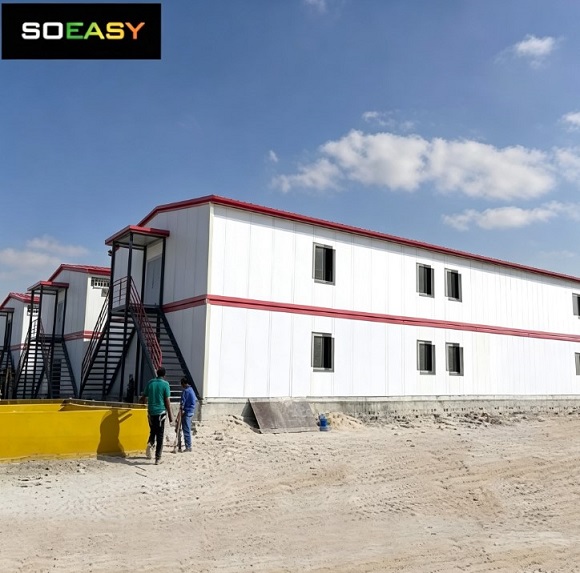
يمكن أن يكون البناء الجاهز جذاباً بشكل خاص عندما تكون السرعة، أو القابلية للتكرار، أو كفاءة النقل، أو الإنتاج المصنعي الخاضع للرقابة أموراً مهمة.
تشمل التطبيقات النموذجية ما يلي:
سكن العمال
مخيمات التعدين
مخيمات البناء
سكن القوى العاملة في المناطق النائية
مكاتب الموقع
فصول دراسية مؤقتة
سكن الطوارئ
سكن زراعي
سكن تجاري
المشاريع السكنية
بالنسبة للمشاريع التي تتطلب وحدات متعددة، يمكن أن يسهل الإنتاج المصنعي أيضاً توحيد التصاميم والمواد وإجراءات التركيب.
قبل توقيع عقد الشراء، استخدم قائمة المراجعة التالية.
اعرف ما إذا كنت تشتري مبنى معيارياً، أو مصنعاً، أو مبنياً بالألواح، أو قائماً على الحاويات، أو نوعاً آخر من المباني.
تحقق من تقسيم المناطق، والتصاريح، ومتطلبات الأساسات، ولوائح الحريق، ومتطلبات المرافق.
اطلب ما يلي:
المواصفات الهيكلية
المواد
أنظمة الجدران والأسقف
مواصفات العزل
النظام الكهربائي
نظام السباكة
الأبواب والنوافذ
الأرضيات
معلومات السلامة من الحرائق
الشهادات المعمول بها
لا تقارن أسعار المصنع وحدها.
تشمل:
المبنى + النقل + الأساسات + تجهيز الموقع + التركيب + المرافق + التصاريح + الأعمال الخارجية
اطلب:
معلومات المصنع
القدرة الإنتاجية
المشاريع السابقة
إجراءات مراقبة الجودة
الشهادات
شروط الضمان
دعم التركيب
وضح:
شروط التسليم
Incoterms
جدول الإنتاج
جدول الدفع
الضمان
سياسة الاستبدال
مسؤوليات التركيب
متطلبات الموقع
دعم ما بعد البيع
يمكن أن تكون المنازل الجاهزة حلاً جيداً عندما يعطي المشروع الأولوية لسرعة البناء، والإنتاج الخاضع للرقابة في المصنع، والجودة القابلة للتكرار، وكفاءة النقل، أو النشر السريع.
ومع ذلك، فهي ليست بالضرورة أرخص أو أسهل في كل موقف.
السؤال الصحيح ليس:
"هل المنازل الجاهزة جيدة أم سيئة؟"
السؤال الأفضل هو:
"هل نظام البناء الجاهز هذا مناسب لموقعي وميزانيتي ولوائحي واستخدامي المقصود؟"
قبل الشراء، قم بتقييم تكلفة المشروع الكاملة، واللوائح المحلية، ومتطلبات الأساسات، والنقل، والتركيب، والتمويل، والتخصيص، والاستخدام طويل الأمد.
بالنسبة لمشاريع الإقامة التجارية وسكن العمال، يمكن لأنظمة مثل منازل الحاويات القابلة للطي، ومنازل الحاويات المسطحة، ومنازل الحاويات القابلة للتوسيع أن توفر مزايا مختلفة اعتماداً على متطلبات المشروع.
ليس بالضرورة. يمكن للإنتاج في المصنع تقليل تكاليف بناء معينة، ولكن إجمالي تكلفة المشروع يعتمد أيضاً على الأرض، والأساسات، والمرافق، والنقل، والتصاريح، والتركيب، وتجهيز الموقع.
نعم. توفر SOEASY خدمات تخصيص مرنة للتخطيطات، والأبواب، والنوافذ، والعزل، والأنظمة الكهربائية، والتشطيبات، والمزيد. يمكن لفريق التصميم لدينا إنشاء رسومات CAD ورسومات ثلاثية الأبعاد بناءً على متطلبات مشروعك.
هل تفقد المنازل الجاهزة قيمتها بشكل أسرع من المنازل التقليدية؟
ليس بالضرورة. تعتمد القيمة على نوع المبنى، وملكية الأرض، والموقع، وجودة البناء، والأساسات، وظروف السوق، والعقارات المماثلة. لا ينبغي التعامل مع المساكن المبنية في المصنع كفئة عقارية واحدة.
يعتمد العمر الافتراضي على النظام الإنشائي، والمواد، وجودة التصنيع، والتركيب، والمناخ، والصيانة. يجب على المشترين تقييم مواصفات الشركة المصنعة، والضمان، والمعايير المطبقة، وظروف الخدمة المتوقعة بدلاً من الاعتماد على رقم واحد عالمي للعمر الافتراضي.
كحد أدنى، تحقق من:
تصنيف المبنى
لوائح تقسيم المناطق والتصاريح المحلية
متطلبات الأساسات
ظروف الموقع
متطلبات النقل
طريقة التركيب
إجمالي تكلفة المشروع
مؤهلات الشركة المصنعة
الضمان
خدمات ما بعد البيع
يمكن أن يكون المنزل الجاهز بديلاً فعالاً للبناء التقليدي، لكن سعر المصنع هو جزء واحد فقط من الاستثمار.
يأتي أفضل قرار شراء من فهم المشروع الكامل، بما في ذلك نظام البناء، والموقع، واللوائح، والنقل، والأساسات، والتركيب، والتمويل، والمتطلبات طويلة الأجل.
إذا كنت تقارن بين خيارات مختلفة للمساكن الجاهزة، فإن SOEASY—وهي شركة صينية موثوقة لتصنيع منازل الحاويات—تقدم مجموعة من الحلول، بما في ذلك منازل الحاويات القابلة للطي، ومنازل الحاويات القابلة للتوسيع، ومنازل الحاويات المسطحة، والمنازل النمطية من طراز K، وغيرها من منتجات الإسكان النمطية. بصفتها شركة مصنعة ذات خبرة، توفر SOEASY خدمات شاملة مصممة خصيصاً لمتطلبات المشروع المحددة، بما في ذلك التصميم المخصص، والإنتاج في المصنع، ومراقبة الجودة، وإرشادات التركيب.
لجميع الطلبات ، يمكنك الاتصال بنا :


 IPv6 شبكة مدعومة
 مسح ل wechat: